
2026 Architects Medallion Winner
Thomas Jager of The University of Newcastle awarded the 2026 Architects Medallion.
The Architects Medallion is awarded annually by the NSW Architects Registration Board to a NSW graduate of an accredited Master of Architecture course who has achieved distinction both in a particular subject area at the final level and generally throughout the 2 years of the course. The Medallion is presented, along with a $5,000 prize.
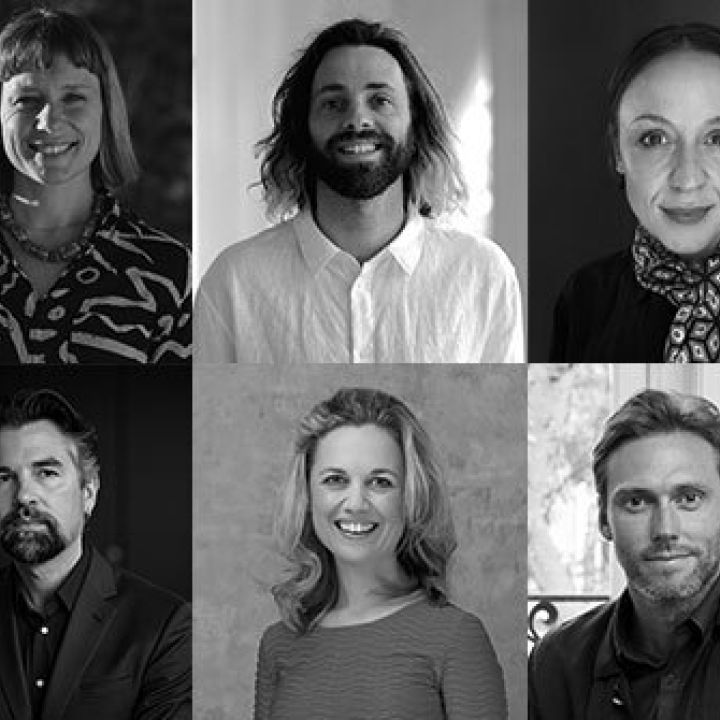
The following outstanding candidates were nominated by their universities from the 2025 cohort of M.Arch graduates:
- Thomas Jager – The University of Newcastle
- Mackenzie Peachy – UNSW Sydney
- Noah Sunderland – The University of Sydney
- Phoebe Witney– University of Technology Sydney
- Emma Moore- Western Sydney University
The jury notes the exceptional strength of this year’s cohort, with each nominee demonstrating intellectual depth, technical capability and a strong sense of professional responsibility.
The 2026 Architects Medallion is awarded to Thomas Jager of the University of Newcastle.
The jury citation reads:
Thomas Jager is an exceptional graduate whose work combines rigour, material intelligence and a deep commitment to architecture as an act of repair. For his final design thesis, Unsung, Thomas developed a compelling proposition situated at Irrkerlantye / White Gate Town Camp on the outskirts of Mparntwe. Drawing from research undertaken in Central Australia, the project challenges inherited Western definitions of “home” as enclosure and possession. Rather than reducing home to “four walls and a door”, Thomas understands it in relationship to people, climate and Country alongside existing cultural and environmental systems.
The jury was impressed by Thomas’s rare ability to think carefully, design practically, and remain ethically grounded. In his thesis, he sustains complexity without diminishing it – carefully moving between history and lived experience, acknowledging the legacy of imposed housing systems while recognising the importance of self-determination. Participatory drawing and site-based investigation provide a framework for an iterative understanding of repair as an ongoing process of dialogue and adaptation.
In response to the poor performance of much existing housing in extreme climates, Thomas proposes climate-responsive strategies grounded in terrain, water movement and local conditions. His iterative timber models demonstrate a disciplined understanding of material behaviour and construction logic. Investigations into locally available and found materials reinforce the project’s practicality and buildability.
Thomas’s pathway from technical training into the Master of Architecture has contributed to his strong sense of responsibility and mature understanding of the relationship between design, material and construction. The jury recognises in him a thoughtful and capable practitioner whose grounded, collaborative approach positions him to make meaningful contributions to the profession and place-led architectural care in regional Australia.
- Last updated on .